Pet GPS Trackers, First Aid & Travel Safety Gear — Australian Buying Guide 2026
Keeping a dog safe during camping and remote travel involves more than a lead and a collar. In unfamiliar environments, dogs can become disoriented and wander. In remote areas, mobile coverage may be limited or absent. A dog that is injured in the bush may need basic first aid before veterinary care is accessible. This guide covers the main types of pet tracking technology, first-aid and safety gear for dogs travelling and camping in Australia.
Affiliate disclosure: We may earn a commission if you purchase through our links, at no extra cost to you. Learn more.
GPS Pet Trackers vs Bluetooth Trackers
It is important to understand the fundamental difference between GPS/cellular trackers and Bluetooth trackers before purchasing.
Bluetooth trackers (such as Apple AirTags and Tile) use Bluetooth to communicate with nearby devices. They do not have their own GPS receiver or cellular connection. An AirTag, for example, relies on the Apple Find My network — a crowd-sourced network of Apple devices that detect the AirTag's Bluetooth signal and anonymously report its location. In a populated area with many Apple devices nearby, this can provide useful location information. In a remote camping area with few or no Apple devices nearby, a Bluetooth tracker will not provide reliable location information. Bluetooth trackers are not suitable as the primary tracking solution for a dog in a remote or rural environment.
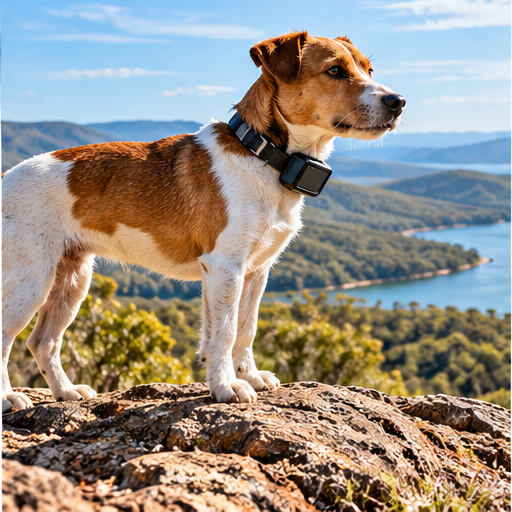
GPS/cellular trackers use a built-in GPS receiver to determine the device's location and a cellular (mobile) network to transmit that location to an app on your phone. They provide real-time location tracking from anywhere with mobile coverage. Most require a subscription plan for the cellular data connection. Battery life varies by model and tracking frequency — more frequent location updates consume more battery.
Cellular Trackers and Network Coverage
Cellular pet trackers depend on mobile network coverage to transmit location data. In areas without mobile coverage — which includes large parts of remote and rural Australia — a cellular tracker will not be able to transmit location updates. Before relying on a cellular tracker in a remote area, check the mobile coverage maps for the networks supported by the tracker at your intended destination.
Some trackers support multiple networks (Telstra, Optus, Vodafone) and will use the strongest available signal. In areas with limited coverage, the tracker may still be able to store location data and transmit it when coverage is regained. Check the manufacturer's specifications for offline tracking capability.
Subscription Requirements and Battery Life
Most GPS/cellular pet trackers require an ongoing subscription for the cellular data connection. Subscription costs vary between providers. Check the subscription terms before purchasing — some trackers are locked to a specific network or subscription plan. Battery life depends on tracking frequency and the tracker's power management. A tracker set to update location every 30 seconds will drain its battery much faster than one set to update every few minutes. For extended camping trips, consider how you will recharge the tracker — most charge via USB.
Tracking Does Not Replace Visible Identification
A GPS tracker is a useful tool, but it does not replace visible identification. A dog that is found by a member of the public may not have a phone to check a tracker app. A collar tag with the owner's name and phone number provides immediate identification that anyone can read. Microchipping is a legal requirement for dogs in all Australian states and territories — ensure your dog's microchip registration details are current, including your contact details and any change of address.
A combination of microchip, collar tag and GPS tracker provides the most comprehensive identification and recovery capability.
LED Collar Lights
LED collar lights clip to a dog's collar and provide a visible light source in low-light conditions. They are useful for keeping track of a dog at a campsite at night and for making the dog visible to vehicles on roads or tracks. LED collar lights are available in flashing and steady modes. Battery life varies — check the battery type and expected life before purchasing.
Pet First-Aid Kits
A pet first-aid kit provides the basic supplies needed to manage minor injuries and stabilise a dog until veterinary care is available. In remote areas, veterinary care may be hours away — a first-aid kit allows you to manage wounds, remove ticks and provide basic care in the interim.
A basic pet first-aid kit should include: wound dressings and bandages, antiseptic solution, tick removal tools, blunt-ended scissors, a digital thermometer, saline solution for wound irrigation, a muzzle (an injured dog may bite even if normally gentle), disposable gloves, and a basic first-aid reference card.
Pet first-aid kits do not replace veterinary care. They are a bridge between an injury and professional treatment, not a substitute for it. If your dog is seriously injured or ill, seek veterinary attention as quickly as possible.
Tick Removal Tools
Ticks are a significant health risk for dogs in many parts of Australia, particularly in eastern coastal areas. The paralysis tick (Ixodes holocyclus) can cause progressive paralysis and death if not removed promptly and treated by a veterinarian. Tick removal tools — specifically designed tick hooks or fine-tipped tweezers — allow the tick to be removed without squeezing the body, which can increase the risk of disease transmission.
Check your dog thoroughly for ticks after any time in tick habitat — particularly around the head, neck, ears and between the toes. If you find a tick, remove it promptly using a tick removal tool and monitor the dog for signs of tick paralysis: wobbliness, weakness in the hindquarters, changes in bark or breathing. If you suspect tick paralysis, seek veterinary attention immediately.
Paw Protection
Hot ground surfaces — bitumen, sand and rock — can cause paw burns in Australian summer conditions. Dog boots provide protection from hot surfaces, sharp rocks, burrs and other ground hazards. Not all dogs will tolerate boots — introduce them gradually at home before relying on them in the field.
Paw balm can be applied to paw pads to provide some protection from drying and cracking, particularly in dry, dusty conditions. Check paw pads regularly for cuts, abrasions and foreign objects such as grass seeds, which can penetrate the skin and cause infection.
Pet Life Jackets
A pet life jacket provides buoyancy for a dog in water. While most dogs can swim, a dog that falls from a boat, becomes exhausted in strong current or is swept into water unexpectedly may struggle to stay afloat. A life jacket provides buoyancy and a handle on the back for lifting the dog from the water.
For camping and touring near water — rivers, lakes, estuaries and the coast — a life jacket is a practical safety item for dogs that spend time near or in the water. Ensure the jacket fits correctly — it should be snug but not restrict breathing or movement. Check the buoyancy rating against your dog's weight.
Backup Leads and Collars
Carry a spare lead and collar when camping and travelling with a dog. Leads and collars can break, become lost or be chewed through. A backup lead and collar ensures you are not without restraint equipment if the primary fails. A slip lead is a practical backup — it requires no collar and can be used as both a lead and a collar in an emergency.
Pet Tracker Types Compared
| Type | Location Method | Remote Area Use | Subscription |
|---|---|---|---|
| Bluetooth (AirTag etc) | Crowd-sourced Bluetooth | Very limited | No |
| GPS + cellular | GPS + mobile network | Depends on coverage | Yes |
| GPS + satellite | GPS + satellite network | Broad coverage | Yes (satellite plan) |
Affiliate Disclosure: Country Heart Outdoors participates in affiliate programs. If you purchase through our links, we may earn a commission at no extra cost to you. This helps support our free buying guides.